Moorish Design: From Morocco to Spain
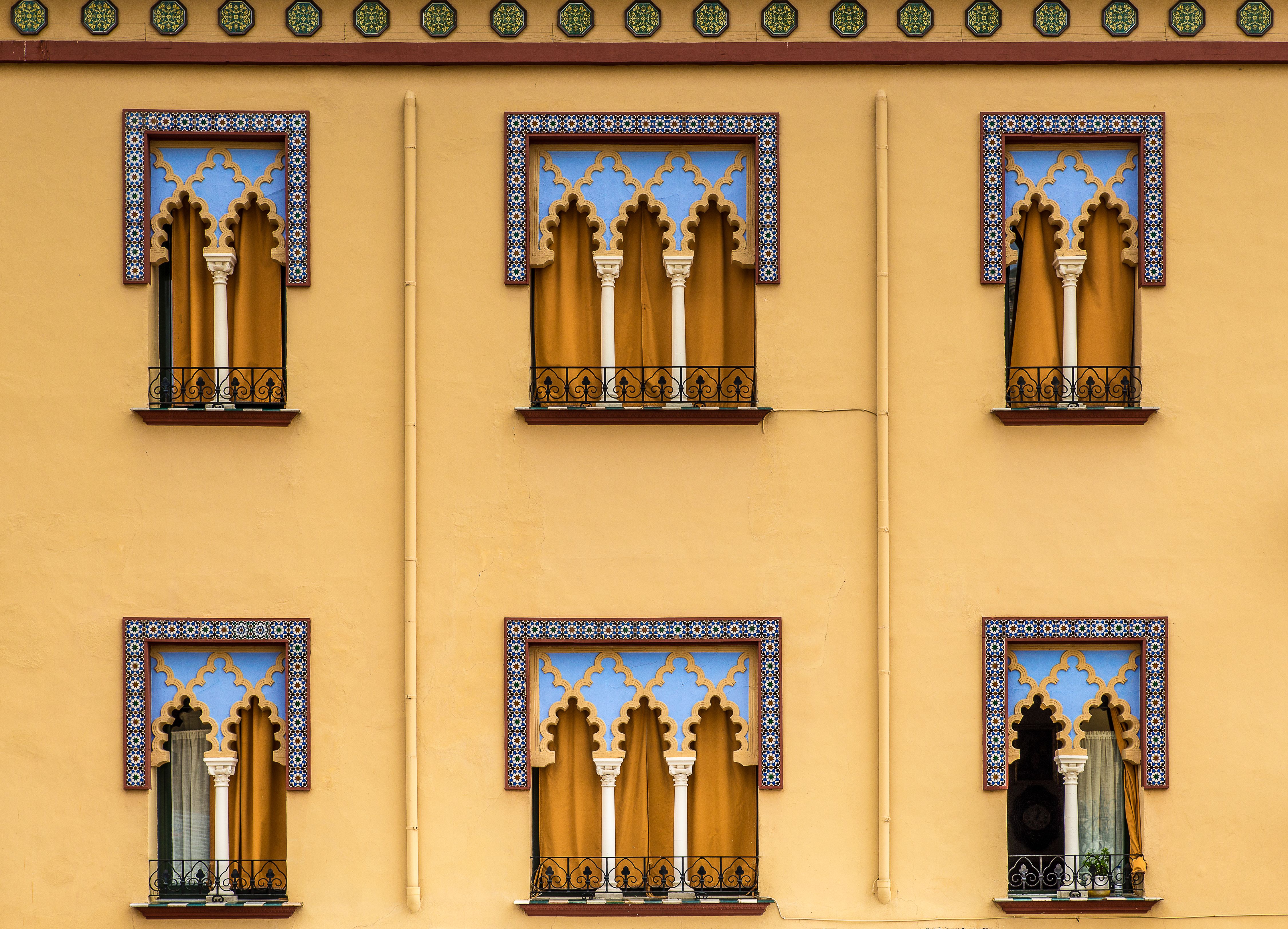
Moorish design has been shaping interiors for over a thousand years, long before anyone called it a trend. From the Alhambra in Granada to the riads of Marrakech, it's one of the few styles that has moved between continents, religions and centuries without losing what makes it recognizable. In this article we will talk you through where the style originated, what actually defines it, and how to bring a piece of it into your own home.
Where it comes from
Moorish design takes its name from the Moors, people of Berber and Arab descent who crossed from North Africa into the Iberian Peninsula in the 8th century. Under the Umayyad Caliphate, they built Al-Andalus, a cultural region that blended Islamic artistic traditions with local Spanish influences for nearly 800 years. Its most famous surviving buildings are the Great Mosque of Córdoba, begun in 785 CE, and the Alhambra in Granada, built by the Nasrid dynasty in the 13th and 14th centuries.
Even after the Christian reconquest of Spain, the style didn't disappear. It evolved into what's known as Mudéjar architecture, and centuries later it resurfaced again in 19th century Europe as the Moorish Revival, influencing Art Nouveau designers like Carlo Bugatti and Arts and Crafts tilemaker William De Morgan. What we now call Moroccan interior design, riads, arched doorways, colourful textiles, grew from this same root, even though Morocco and Moorish Spain are two different chapters of one long story.
So how do you do it?
Here's what actually defines the style, and how to bring it into your home without turning a room into a museum piece.
Look for the horseshoe arch. Rounded at the top and narrowing slightly before it opens, the horseshoe arch is the single most recognisable feature of Moorish architecture. At home it doesn't need to be structural: an arched mirror, an arched headboard or an arched doorway between two rooms brings in the shape without any renovation.
Bring in geometric tilework. Moorish interiors are built on intricate, repeating geometric patterns, most famously in tile, known today as zellige. A tiled backsplash, a bathroom floor or even a single tiled tabletop introduces this pattern language in a way that feels intentional rather than themed.
Add pattern with restraint. The original architecture layered carved stucco, tilework and calligraphy together, but always within a symmetrical, ordered structure. At home, that means one or two patterned elements done well, not pattern on every surface. The same rules that apply to any pattern mixing apply here: pick a hero, keep the rest of the room quiet around it.
Use colour like it's jewellery, not a canvas. Moorish palettes lean into saturated colour: deep blues, emerald, ochre and burnt orange, often set against white or clay walls. Rather than painting a whole room, use colour in smaller, richer doses, a single tiled wall, a set of cushions, a piece of glazed ceramic.
Let light do some of the work. Pierced metal or wood screens, called mashrabiya, filter light into intricate shadow patterns in traditional Moorish interiors. A single pierced brass lantern or a carved wood screen can bring a hint of that same effect into a home without any structural changes.
Don't forget your outdoor space. Moorish architecture is built around courtyards, gardens and water, spaces designed for quiet moments and reflection. Even a small version of that idea works: a cluster of plants near a window, the sound of water from a small fountain, a spot that exists purely to sit and do nothing.
Moorish design has survived a thousand years because it was never really about decoration for its own sake. It was about pattern, light and material working together on purpose. Borrow a little of that discipline, and a single arch or tiled surface can carry the whole idea into a modern home.
Keep reading

.png)
.png)